# Parenting Tips for Toddlers (Ages 2-4):
Building Happy, Confident Little Learners
Toddlerhood (ages 2-4) is a phase full of curiosity, exploration, and rapid development. During these years, your little one will start forming more words, experiencing a wide range of emotions, developing social interaction skills, and growing increasingly independent. You play a huge role in shaping your child’s well-being and future success through your love, patience, and guidance. Check out these practical parenting tips to help your toddler thrive.
### 1. Establish a Daily Routine
Toddlers thrive on predictability. Establishing consistent waking, eating, play, learning and sleeping times helps make the day less overwhelming and can encourage healthy habits.
### 2. Foster Learning Through Play
Play is the most effective way for toddlers to learn. Provide plenty of opportunities for puzzle-solving, building, reading, imaginative play, art activities and active outdoor play which encourages creativity, language, problem-solving and fine-motor development while also keeping it fun!
### 3. Read Together Daily
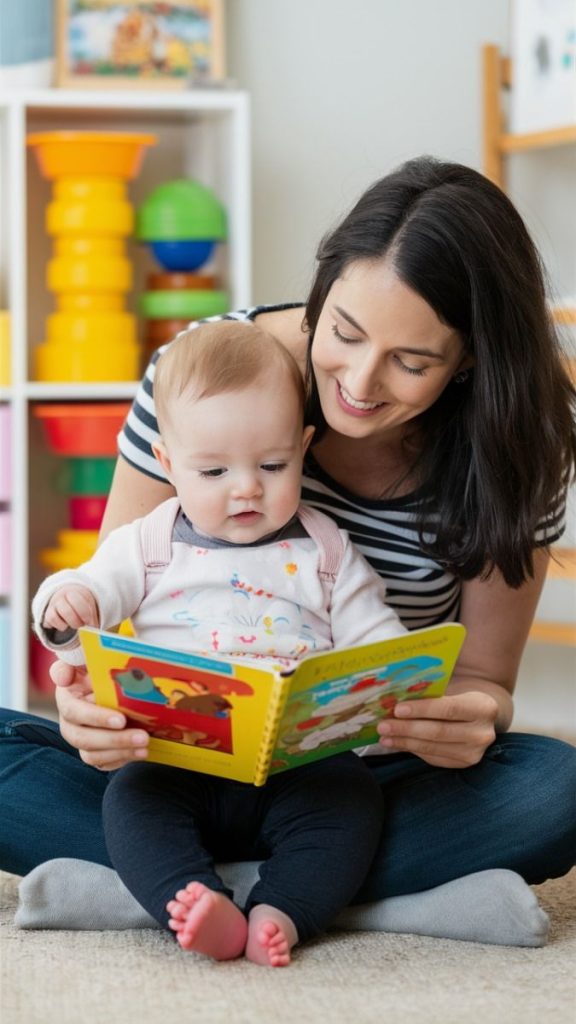
Just 15–20 minutes of reading time each day helps build vocabulary, improves listening skills and establishes a love for books, while interactive stories prompt discussions on everything from feelings to character names and plot.
### 4. Praise Efforts, Not Perfection
Offer lots of encouragement for small accomplishments like cleaning up toys, sharing with peers or new experiences. Positive reinforcement builds a sense of competence and encourages your toddler to persevere.
### 5. Set Clear & Gentle Limits
As toddlers become more aware of the world, they test boundaries; use simple rules and explain your expectations calmly. When your child behaves in an unwanted way, focus on teaching them an appropriate alternative, using gentle consistency.
### 6. Support Healthy Eating
Offer a wide variety of colorful and nutritious fruits, vegetables, whole grains, dairy and protein. Avoid forcing your toddler to eat, but gently introduce new foods one at a time. Make mealtimes a family affair.
### 7. Limit Screen Time
The focus should be on interactive, hands-on activities such as singing songs, dancing, storytelling, painting and playing outdoors which encourage physical and social development more so than passive screen time.
### 8. Help Your Toddler Express Emotions
Teaching your toddler emotion words, like happy, sad, mad, excited, etc., and helping them communicate their feelings nonverbally when experiencing strong emotions, like tantrums, encourages emotional intelligence and self-regulation.
### 9. Promote Independence
Allow your toddler to try easy, age-appropriate tasks independently such as feeding themselves, helping wash hands, dressing, cleaning up toys and deciding between two outfits. Children will feel more capable and proud when granted responsibility.
### 10. Spend Quality Time Together
Just 20 minutes of focused, undivided attention each day in the form of play or conversation will strengthen your bond. Put away your phone, listen attentively and laugh together.
Every toddler develops differently so focus on creating a safe, loving and positive environment. With your patience and support, your toddler will blossom into a confident, kind and curious child.